We sent out a survey to our database at the end of last year. We compiled all of our findings and recommendations in this free guide to online fundraising, but in this post, we wanted to explore one area in detail: how refreshing your website can impact your online fundraising efforts.
Of the 1,200 nonprofit professionals surveyed, an overwhelming amount said theywanted to improve the fundraising experience on their website. If you’re also looking to build or refresh your website this year, think about how you want your donors to experience your organization online. You’ll want to make sure the site offers compelling content and is easy to use. The following steps will help you do just that.
According toNonprofits Source, 54% of donors worldwide “prefer to give online with a credit or debit card.” When you consider that only 11% of donors worldwide preferred direct mail, it makes sense why improving the online donor experience is crucial to an organization’s fundraising success rate.

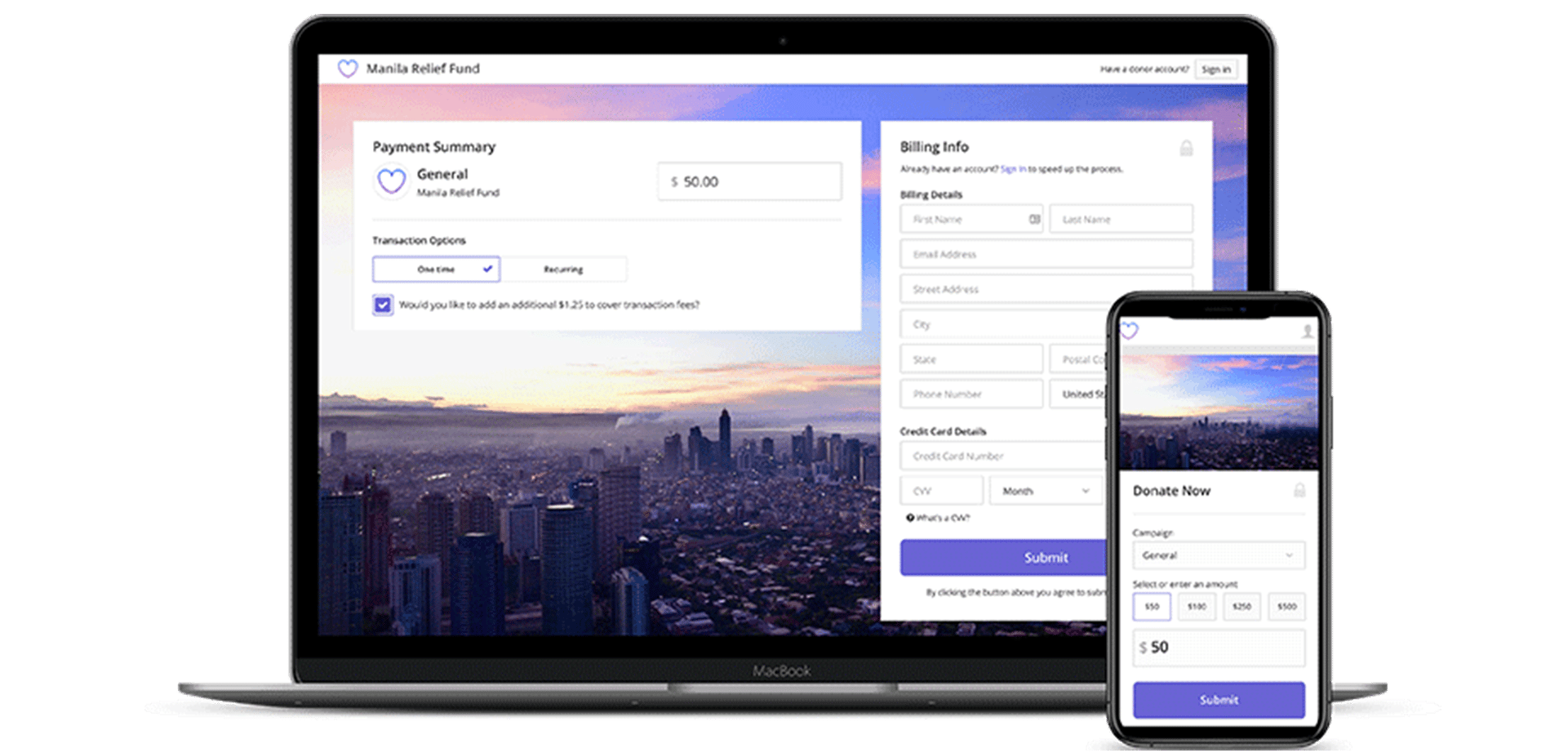
By optimizing for mobile,you’re making it easier for your donors to pull up your website and follow thedonor journey. Most website-building platforms like Squarespace and WordPress automatically optimize their templates for mobile use. If your platform isn’t optimized for mobile, figure out what you need to do—hire a developer, switch website platforms—to ensure it will be in the immediate future.
Once donors are on your site,you need to take the guesswork out of the process for them. Have clear calls-to-action on the website, including links to your donation page and donation buttons in the menu bar and throughout your site. The donor shouldn’t have to search for where they can go to support your organization so make sure these are asvisible, repetitive, and easy to understandas you can.
Nonprofits Source also sheds light on how important it is to give your donors the option to become amonthly or recurring donor. According to the organization,donors who set up recurring donations “give 42% more annually,compared to one-time donations.”
It’s not enough to have text on a webpage. Viewers are looking for images and video content as well—anything that quickly helps them understand your organization and the impact it has on the population or issue area it serves.How are you maximizing storytelling opportunities on your current website?Are they siloed on one page or spread throughout the website where the donor is constantly reminded of the important work you’re doing? Are the stories compelling? Are the forms varied and engaging? If you haven’t already, consider how you can make the most of the testimonials, impact statements, and success stories you have on hand.
If you’re worried about cost, there are alternatives to creating expensive, highly-produced videos. Online audiences are used to engaging with videos created on an iPhone. These types of videos can also create a sense of intimacy and authenticity between you and the donor.
Finally, take a close look at how your direct mail strategy is driving traffic to your website. When you send people direct mail asks, are you only giving them the option to donate via check? If so, include an option (with easy steps laid out) for them to donate online.
If you’re not including hashtags and social media handles on those paper materials, consider doing so ASAP. This is another chance to get your donors to interact with you online and, ideally, lead them to your website.
In our experience, there are three components that make up a foolproof donation landing page:
On your donation landing page, you shouldremind the donor why their contribution matters.Oftentimes, what you’re offering people is the opportunity to be a part of something larger than themselves.
A potential donor shouldn’t have to infer what the impact of their money will be; you need to tell them.
These impact reminders work best when tied to a compelling narrative from or proof of your work. You have to be specific on this page. This is a fundraising mistake your organization can’t afford to make.
You can create a narrative around the impact each donation tier has and give people several options for how much they want to donate.
By showing different levels of impact—tied to the dollars donated—you’re giving the donor the power to choose the specific impact they want to have. The fewer barriers in the way of clicking that donate button, the better.

For more, download ouronline fundraising ebookto see how you can build a more robust and effective fundraising ecosystem.