According to recent volunteer studies, more than 75.7 million people, or 28.3% of the U.S. population aged 16 and up, volunteered through an organization between September 2022 and September 2023. Volunteers bring skills, dedication, and, most importantly, passion to nonprofit organizations like yours!
Effective volunteer management is your key to expanding your volunteer pool and boosting retention, helping you to maintain access to skilled and reliable support. In this guide, we’ll cover the core components of an effective volunteer management strategy, including:
By the end of this article, you’ll have the foundational knowledge to transform your volunteer program into a thriving, effective, and sustainable part of your nonprofit’s operations. Let’s get started with the basics of volunteer management.
Volunteer management is the process a nonprofit organization uses to recruit, track, engage, and retain volunteers. Managing volunteers is key to developing and maintaining an effective, passionate, and dedicated supporter base.
Proper volunteer management is important for nonprofits because it helps avoid excessive volunteer turnover. Turnover can be costly as it requires your organization to spend time recruiting and training new volunteers. Plus, volunteers’ contributions can really add up, with the estimated value of a volunteer hour reaching around $34. Losing out on this valuable support can ultimately result in significant costs to your organization.
Because volunteers are unpaid, keeping them excited and incentivized can be challenging. Prioritizing volunteer management gives volunteers a sense of belonging within your organization, encouraging them to continue working to bring your vision to life.
The volunteer management lifecycle is the process that volunteers undergo during their engagement with your nonprofit, from the time they’re first recruited to when they become recurring supporters.
When you understand the volunteer lifecycle, you can identify ways to improve your volunteer management processes at every stage. Here are the four steps of the engagement lifecycle:

Volunteer recruitment is the process your nonprofit uses to bring new volunteers on board. It includes marketing volunteer opportunities, enabling volunteers to sign up, and screening potential volunteers.
Volunteer empowerment ensures that volunteers feel equipped and excited to work for your mission. By matching volunteers to jobs that suit their skill sets, providing them with quality training, and being available to answer questions during their shifts, you empower your volunteers to perform at their best.
Just as your organization uses donor communication to stay in touch and encourage repeat contributions, you must develop a volunteer communication plan to keep volunteers engaged. This should include methods for delivering important volunteer information, as well as avenues for volunteers to provide feedback and ask questions.
We all appreciate being recognized for our hard work, and volunteers are no different. Recognizing your volunteers can involve anything from sending a thank-you note to offering them a free gift to giving them a shoutout in your monthly newsletter..
Similar to a donor appreciation event, a volunteer appreciation event can go a long way in showing your nonprofit values the hard work and dedication of your supporters and advocates — and it doesn’t have to be expensive or complicated. These events are designed to foster trust, give recognition, answer volunteers’ questions, and demonstrate the alignment between your volunteers’ interests and passions and your organization’s mission.
Ultimately, when volunteers feel appreciated for their contributions, they’ll be much more motivated to stay involved with your organization for the long term.

A volunteer manager is the person associated with your nonprofit who takes charge of carrying out your volunteer management strategies, from planning your recruitment approach to strategizing your long-term retention plan.
They’re the point person for any questions that your staff or volunteers may have. This person is most often a staff member, although at some smaller organizations, they may be a volunteer themselves.
Volunteer managers typically have skills and traits such as:
Volunteer managers act as equal parts cheerleaders, pushing forward your mission, and organizers, ensuring that your projects and programs get the support they need to run smoothly.
Throughout every stage of the management process, your nonprofit has plenty of opportunities to better connect with volunteers, understand their motivations, and provide a positive experience.
Ultimately, volunteers will decide whether to stay involved with your cause based on their connection to your nonprofit. Use these best practices to improve your volunteer management approach during every step of the volunteer lifecycle:
Your volunteer registration form should be simple and easy to fill out, no matter what type of device volunteers use. Ask only necessary questions, such as volunteers’ contact information (including their emergency contact), interests and availability. Use large text and buttons to make the form easy to read on mobile devices.
Make your registration form easy to find on your website by including it in your navigation menu and using calls to action (CTAs) on your homepage that lead to the form.
Your volunteer role descriptions should entice new volunteers to get involved and offer all the information volunteers need. Include details such as:
Post your volunteer description on social media, share it via email and publish it on volunteer hubs like VolunteerMatch to maximize your recruitment reach.
Reach out to current supporters to see if they’d be interested in joining your volunteer program. Send invitations to:
These individuals have already expressed support for your mission and may be looking for new ways to get involved. Reach out with a personalized email or text addressed with recipients’ names to ensure that your message stands out.

Share your volunteer posting widely across your marketing channels, including:
A multichannel marketing strategy will help you reach the broadest possible audience. You can even ask current volunteers to invite their friends or family members to your opportunities, widening your reach to new audiences.
Some nonprofit professionals hesitate to ask volunteers for donations. The idea is that volunteers already contribute plenty of support, so volunteer managers don’t want to overwhelm them with additional requests.
However, nonprofit volunteers often want to contribute financially alongside their volunteer work. According to the Global Trends in Giving Report, 76% of volunteers in the United States and Canada donate to the nonprofits they volunteer for.
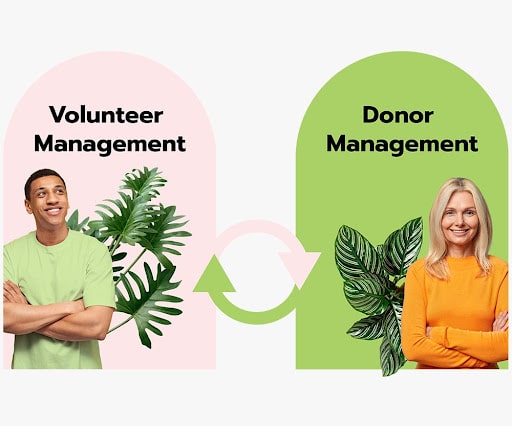
Cultivating volunteers as donors starts with the following steps:
When you focus on building genuine relationships with volunteers, they’ll happily support your fundraising efforts in addition to their volunteer work.
Generic donor recognition messages don’t cut it anymore. Considering that 71% of consumers expect personalized interactions with brands, your nonprofit should prioritize tailoring your outreach strategies to fit donors’ interests and needs.
Create personalized volunteer recognition moments, such as:
Small moments can go a long way, so never pass up opportunities to thank volunteers for going above and beyond during an event or to ask them if they’re enjoying participating.
Your nonprofit’s annual report is one of the best opportunities you have to express gratitude to all your supporters. Most organizations keep their focus mainly on donors and corporate sponsors, but you should also use this report to spotlight volunteers’ incredible contributions.
List the names of dedicated volunteers, including those who consistently volunteered with your organization throughout the year. Share volunteer testimonials and stories about how volunteer work moved your mission forward. For example, describe how volunteers’ efforts to gather bedding and toiletries provided essential items to an additional 50 unhoused members of your community.
Some volunteers feel encouraged to continue engaging with your program after simply receiving recognition for their work. Others may start to feel restless if they’ve been involved in your program for a longer period of time and are ready to explore new challenges.
Offer leadership opportunities to these long-time, dedicated volunteers to help them grow in their roles and drive even more value for your organization. For example, you could train volunteers to become peer leaders and equip them to handle all aspects of volunteer management, from checking participants in to following safety procedures.
These exciting leadership roles show volunteers that your organization trusts their abilities, values their contributions, and cares about making them an integral member of your nonprofit’s team.
Show volunteers that you’re committed to building your program with their needs and interests in mind by asking for their feedback. Send surveys with questions like:
After receiving responses, outline a plan to adjust your program based on volunteers’ input. Communicate your plan to volunteers to show that you’re taking their recommendations seriously.
Use a volunteer management platform to track key metrics related to your volunteers’ satisfaction and retention. Comprehensive tracking and reporting empower you to identify your program’s strengths and weaknesses and refine your management processes over time.
Use your software to assess analytics such as:
Adjust your volunteer management strategy based on your tracked results. For instance, if your volunteer no-show rate increases, you may send text reminders 24 and three hours before a volunteer opportunity to remind supporters of their shifts.
Volunteer management software refers to tools volunteer managers can use to keep volunteer information, scheduling processes, communications and other activities organized.
Just like your donor management system, it’s important to consider what features your organization needs most when choosing a volunteer solution. Here are a few must-have features to look for when researching volunteer management systems:
Any volunteer management system you consider should at least offer these essential tools. Many will also go above and beyond to ensure a positive user experience and better volunteer retention outcomes, such as our recommended provider below.
Bloomerang’s volunteer management software, Bloomerang Volunteer, streamlines and automates repetitive tasks, giving you more time to build relationships with volunteers. You can centralize reporting processes and provide a more seamless experience for both volunteers and staff. Stand-out features of Bloomerang’s platform include:
Bloomerang also offers robust reporting tools, enabling volunteer managers to set up custom recurring reports and track volunteer progress.
Watch this video to learn about how two organizations used Bloomerang Volunteer to increase volunteer signups, save time, and measure volunteer impact:

Intentional volunteer management is essential for any nonprofit organization. Recruit and retain valuable volunteers by crafting a plan that includes an effective system for managing these passionate supporters.